


Choosing the right supplier risk management software requires more than comparing features. You need to consider how each platform supports your supplier ecosystem, the types of third-party risks you need to manage, and how you want supplier risk data to connect with your broader risk and compliance processes.
Leading supplier risk management platforms help you assess, monitor, and manage risks across supplier and third-party relationships. They support activities such as supplier assessments, risk monitoring, documentation management, remediation tracking, and ongoing oversight across areas including operational disruption, cybersecurity, compliance, and data privacy.
In this guide, we compare the leading supplier risk management software solutions, examining their key capabilities, strengths, and ideal use cases to help you identify the platform that best fits your organisation’s requirements.
What Is Supplier Risk Management Software?
Supplier risk management software helps you identify, assess, monitor, and manage risk across your organisation’s supply chain and third-party vendors. It provides a centralised vendor register to store supplier information, contracts, certifications, risk scores, and compliance documentation, giving you a single source of truth for supplier risk.
The software streamlines supplier onboarding and due diligence through automated workflows and supplier portals. Suppliers can submit information, complete questionnaires, and provide supporting evidence directly within the platform. You can then schedule recurring risk assessments to evaluate suppliers against predefined criteria, including cybersecurity, financial stability, operational resilience, regulatory compliance, and ESG performance.
Many top supplier risk management platforms also support continuous monitoring through risk intelligence feeds, security ratings, adverse media screening, and other external data sources. They allow you to track supplier performance against SLAs and monitor key performance indicators (KPIs) and key risk indicators (KRIs) to build a more complete view of supplier risk exposure and identify emerging issues before they disrupt operations.
Top supplier risk management platforms enable you to manage incidents, remediation activities, corrective actions, audits, and reporting throughout the supplier lifecycle, maintaining oversight from onboarding through contract renewal and offboarding.
Without dedicated SRM software, managing supplier risk often relies on spreadsheets, emails, and disconnected systems. These manual approaches can create data silos, increase the likelihood of errors, and make it easier for risks to go unnoticed. Supplier risk management software automates these activities, helping you standardise processes, strengthen supplier oversight, and respond to risks more effectively.
Is There a Difference Between Supplier Risk Management and Vendor Risk Management Software?
The terms “supplier risk management software” and “vendor risk management software” seem interchangeable. However, they tend to focus on different types of third-party relationships and risk categories.
Supplier risk management software focuses on organisations that support your supply chain, such as raw material providers, manufacturers, distributors, and logistics partners. Supplier risk management tools help you assess and monitor risks that could disrupt the flow of goods and services, including financial instability, supply shortages, operational disruptions, and geopolitical events. As a result, supplier risk management often centres on operational resilience, business continuity, and supply chain performance.
Vendor risk management (VRM) software takes a broader approach, covering all third parties that provide products or services to your organisation, including software vendors, cloud service providers, consultants, contractors, and other business partners. It helps you manage risks associated with these relationships, including cybersecurity, regulatory compliance, data privacy, third-party access to sensitive information, and broader enterprise risk.
In practice, many modern platforms support both supplier risk management and vendor risk management capabilities. If your organisation relies on complex supply chains alongside digital third-party vendors, choose a solution that manages both operational supplier risks, such as supplier performance, critical dependencies, and supply disruptions, and digital risks, including cybersecurity, data privacy, and regulatory compliance.
What Are the Features and Components of Supplier Risk Management Software?
Supplier risk management platforms vary significantly in terms of functionality. Some solutions focus primarily on supplier onboarding, due diligence, and risk assessments, while others provide broader capabilities for continuous monitoring, compliance management, incident tracking, performance measurement, and third-party risk intelligence.
When comparing supplier risk mitigation solutions, look for features that support the entire supplier lifecycle, from onboarding and due diligence, through ongoing monitoring, performance management, and offboarding. Important capabilities to consider include:
Automated Risk Assessments
 Supplier risk management software automates the assessment process, reducing the need to manually create, distribute, and track vendor questionnaires. You can use pre-built risk assessment templates and customise them to match your requirements, while workflow automation sends assessments directly to suppliers through a secure vendor portal. Responses and supporting documentation are captured centrally, making it easier to review results, track progress, and report on supplier risk.
Risk assessments play a key role in supplier due diligence, helping you evaluate factors such as financial stability, cybersecurity posture, regulatory compliance, and operational resilience during onboarding. For ongoing monitoring, you can schedule recurring assessments for active suppliers to ensure risk profiles remain current. Automated reminders help improve response rates, while suppliers can submit updated information and documentation through the portal.
The platform can score and aggregate assessment responses into a centralised view of supplier risk, allowing you to compare suppliers consistently, identify higher-risk relationships, and prioritise remediation activities. Effective assessments should also consider supplier criticality, geographic exposure, dependency risk, vendor concentration, and fourth-party risks across the wider supply chain.
Leading supplier risk management platforms bring these assessment activities together into a single system, creating a continuous and auditable view of supplier risk from onboarding through ongoing monitoring.
Continuous Monitoring
To identify changes in supplier risk exposure, you need a top supplier risk management tool that offers continuous monitoring. Supplier risk software continuously tracks data from external intelligence sources, supplier performance metrics, and risk assessments, allowing you to identify risks as they emerge. When the platform detects a potential issue, it automatically generates alerts that you can customise by supplier, risk type, or severity.
As new supplier data, assessments, and intelligence become available, the software continuously updates risk tiering to reflect changes in supplier risk exposure. This helps you prioritise high-risk suppliers, respond more quickly to emerging issues, and focus resources where they have the greatest impact.
Compliance Management
One of the greatest risks posed by third-party suppliers comes from non-compliance with legal and regulatory requirements. Leading supplier risk management tools help you collect, manage, and monitor supplier compliance documentation to reduce regulatory and reputational risk.
They do this with:
- Supplier-submitted compliance documentation: Suppliers upload required materials, such as certifications, licences, insurance documents, and contractual acknowledgments, directly via a secure portal during onboarding and periodic reviews.
- Centralised evidence collection and storage: A single system stores all submitted documents, so you can easily organise and report on supplier-provided compliance evidence when needed.
- Scheduled document requests and updates: The system allows you to request updated documentation on a recurring or ad hoc basis, helping ensure certifications and records remain current.
- Reminders for missing or expired documentation: Automated notifications prompt suppliers and internal stakeholders when required documents are incomplete or nearing expiration.
By standardising documentation collection and tracking, the software improves visibility into supplier compliance risk and streamlines audits.
Mitigation and Remediation
Supplier issues often escalate into operational disruption, increased costs, and financial impact across the business. Risk mitigation workflows allow you to turn risk insights from assessments and monitoring into actionable steps to prevent issues and strengthen controls before they escalate.
Staff can log supplier-related issues in an online portal, and case management workflows handle the incident from identification to resolution. The system maintains ownership, status updates, and deadlines to ensure accountability.
You can then implement corrective actions, such as requesting documentation, improving processes, or applying temporary controls to reduce the impact of risk. The platform assigns, escalates, and tracks tasks through predefined or customised workflows that support completion. This helps you quickly and consistently identify and resolve supplier issues, ensuring emerging risks don’t remain unaddressed.
Reporting and Analytics
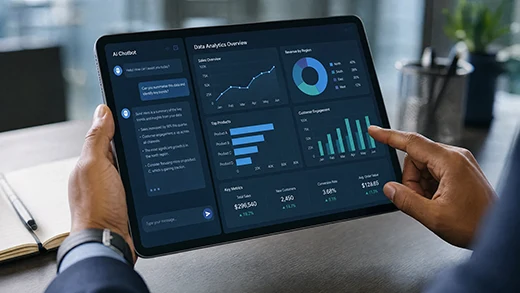 Leading supplier risk management platforms provide insights into supplier performance and risk exposure, so your teams can respond to emerging issues.
They provide dashboards, reports, and key performance indicators (KPIs) that consolidate supplier risk data into a structured view for internal reviews, supplier governance meetings, and audit preparation. The solution brings together information on financial stability, compliance gaps, performance trends, and remediation progress to support supplier oversight.
The platform continuously tracks supplier performance and maintains a complete audit trail of events so you can evaluate effectiveness over time, including:
- Delivery reliability
- Product or service quality
- SLA compliance
- Issue resolution times
Advanced tools even identify patterns and trends in supplier behaviour over time. This supports earlier identification of emerging risk areas and prioritisation of high-risk vendors.
What Are the Benefits of Supplier Risk Management Platforms?
Supplier risk management software provides a centralised, automated, and repeatable approach to finding and remediating supplier-based risks.
Key benefits include:
Centralised Supplier Insights
The software offers a single source of truth for all supplier information, including contracts, risk assessments, compliance documentation, and performance metrics. By consolidating this data in one place, you remove silos and bottlenecks, giving teams across the organisation a shared view of supplier risk, performance, and compliance, enabling them to identify issues earlier and take action to mitigate risk.
Reduced Administrative Burden
Automating supplier risk management processes, from due diligence checks to remediation workflows, reduces manual work and reliance on spreadsheets. By centralising supplier information and workflows, you reduce fragmentation and human error, making it less likely that important risks or actions are overlooked. As a result, your teams spend less time compiling and reconciling supplier data and more time assessing risks and taking action.
Improved Regulatory Compliance
Supplier risk management software helps you standardise compliance checks using templates, assessments, and workflows aligned with relevant regulatory requirements and industry standards. You can assess supplier compliance through questionnaires and collect certifications and documentation through an online supplier portal to maintain a clear record of third-party compliance. This ongoing oversight helps you identify gaps earlier and reduce the risk of compliance issues, regulatory penalties, or reputational damage affecting your organisation.
Strengthened Operational Resilience
Many of your vendors support your critical business services. Yet only 48% of organisations assess and mitigate supplier risk as part of their business continuity programmes. Supplier management software closes that gap by providing greater oversight of supplier dependencies and their role in supporting essential processes. It maps their relationships, tracks performance, and identifies potential points of failure. With this insight, you can develop mitigation strategies and implement controls to maintain business continuity during disruptions.
Process Consistency
When done manually, supplier risk management becomes difficult to standardise because processes differ across teams and suppliers. Centralised software, on the other hand, establishes consistent assessment criteria, risk categorisation, supplier scoring, and mitigation workflows. This provides more accurate, comparable risk insights across departments.
Program Scalability
Leading supplier risk management software helps you expand your program as your supplier network grows. Configurable templates and frameworks allow you to onboard new suppliers quickly and apply consistent risk assessment processes across a growing portfolio. This enables you to scale supplier management without increasing manual workload or compromising risk oversight.
Supplier Risk Management Solutions Comparison Criteria
 This assessment of top supplier risk software draws on practical and technical criteria, including:
- Functional capabilities: Depth of functionality for core processes such as risk assessments, due diligence, risk intelligence, continuous monitoring, issue tracking, and reporting.
- Feature comparisons: Functional maturity, including automation capabilities, workflow customisation, configurable vendor registers, flexible risk scoring methods, evidence tracking, and reporting capabilities.
- Regulatory and standards alignment: Ability to align supplier risk management processes with frameworks such as DORA, APRA CPS 230, ISO/IEC 27036, ISO 27001, and ISO 22301.
- User experience and adoption: Intuitiveness and ease of use, both for risk teams and occasional users.
- Scalability: Capacity to add new suppliers, assessment templates, and workflows as the organisation grows.
Ten Best Supplier Risk Management Software Platforms
| Rank | Platform | Best for |
| 1 | Riskonnect | Managing the complete supplier risk lifecycle by connecting supplier risk insights with enterprise risk and resilience programmes for a unified view of organisational risk. |
| 2 | OneTrust | Compliance and data privacy focused supplier risk programmes |
| 3 | SAP Ariba | Integrating supplier risk management closely with procurement, sourcing, and broader SAP business processes |
| 4 | Coupa | Linking supplier risk management with procurement, sourcing, and broader business spend management processes |
| 5 | Fusion | Supplier risk linked to operational resilience and business continuity |
| 6 | Ivalua | Supplier risk management programmes with procurement, supplier lifecycle management, and strategic sourcing processes. |
| 7 | Diligent | Programmes focused on third-party risk assessments, due diligence, continuous risk monitoring, and governance. |
| 8 | ProcessUnity | Organisations requiring supplier assessments, due diligence, continuous risk monitoring, and third-party risk intelligence. |
| 9 | MetricStream | Complex bespoke supplier risk management programmes |
| 10 | Archer (RSA Archer) | Managing supplier risk through structured governance workflows and assessments to increase supplier engagement |
1. Riskonnect: Best Supplier Risk Management Software Provider
Riskonnect ranks as the best supplier risk management solution because it combines comprehensive supplier risk workflows, assessment templates, reporting, and dashboards with the ability to connect third-party risk data across broader enterprise risk and resilience programmes. This enables you to manage the full supplier risk lifecycle while giving teams greater visibility into supplier exposures, dependencies, and emerging risks, supporting more informed decisions.
Why It’s #1
- Manages the entire lifecycle of supplier risk, from onboarding and due diligence to ongoing monitoring, performance management, and offboarding.
- Offers centralised data, analytics, and customizable dashboards that give you real-time visibility into supplier risk and help you make data-driven decisions faster.
- Provides strong alignment with global regulations and frameworks, including third-party risk requirements such as DORA, ISO 27001, CPS 230, HIPAA, and GDPR.
- Easily connects to internal systems and third-party data sources via APIs to eliminate silos and ensure accurate and up-to-date supplier risk information.
- Helps you detect risk and interdependencies in your supplier ecosystem using advanced analytics and reporting tools.
- Delivers architecture that can grow alongside complex, global businesses with large, diverse supplier networks covering many regions and business units.
Pros
- Highly configurable workflows and automation allow you to scale processes and adapt without heavy IT intervention.
- Intuitive and accessible across multiple devices, ensuring adoption among teams.
- Easy to configure risk scoring methods, supplier registers, and evidence tracking to match your internal processes.
Cons
- Requires some upfront workflow configuration and process mapping to take full advantage of the integrated capabilities.
2. OneTrust
OneTrust offers a compliance and data privacy-oriented supplier risk management solution. It focuses on ensuring suppliers meet regulatory obligations and data privacy requirements, with prebuilt assessments and automated workflows to facilitate consistent, audit-ready oversight.
Pros
- Well-suited to organisations managing large numbers of digital vendors with data privacy, security, and regulatory compliance requirements.
- Integrates with third-party risk intelligence providers to monitor supplier cyber risk ratings, ethical standpoint, and compliance issues.
Cons
- Less focused on vendor performance tracking and operational risk
- Not suited to those who need to monitor supply chain risk across large global enterprises.
3. SAP Ariba
SAP Ariba provides supplier risk management capabilities that connect supplier assessments, risk insights, and supplier information with procurement processes. You can use the platform to evaluate suppliers, monitor risk factors, manage supplier data, and support more informed sourcing and supplier management decisions.
Pros
- Supports supplier qualification, segmentation, and assessment processes, helping procurement teams evaluate suppliers consistently before and during supplier relationships.
- Strong fit for organisations already using SAP solutions that want supplier risk data connected with broader procurement, ERP, and business processes.
Cons
- More focused on procurement-led supplier management than broader enterprise risk, operational resilience, or cybersecurity and data privacy risk across digital third parties.
- Requires additional configuration and integrations to support broader enterprise third-party risk requirements.
4. Coupa
Coupa provides supplier risk management capabilities that connect supplier information, procurement workflows, and third-party risk assessments within its business spend management platform. You can automate supplier assessments across areas such as information security, anti-bribery and anti-corruption, and GDPR compliance, while using alerts to identify procurement issues such as incomplete invoices, poor invoice quality, and high-risk supplier activity.
Pros
- Strong fit for organisations looking to connect supplier risk management with procurement, sourcing, and supplier cost management.
- Helps procurement teams improve supplier data quality and reduce operational issues through better supplier information management and visibility into supplier transactions.
Cons
- More focused on procurement and supplier cost management than broader enterprise risk, operational resilience, or cybersecurity-focused third-party risk programmes.
- Requires additional configuration to support organisations with highly complex supply chains.
5. Fusion Risk Management
Fusion Risk Management links supplier risk to your organisation’s resilience by integrating supplier risk management with ERM, incident response, business continuity, and operational planning.
Pros
- Clean dashboards and easy navigation, helping new users adopt the software quickly.
- Connections to external risk intelligence sources provide continuous feeds for proactive monitoring.
- Flexible report-building and visualisation options for executives and board members.
Cons
- Complex enterprise deployments require longer implementation timelines and additional resources to support configuration and integration requirements.
- Its resilience focus makes it less suited to standalone or ERM-focused supplier risk use cases.
6. Ivalua
Ivalua provides supplier risk management capabilities within its broader sourcing and procurement platform, connecting supplier information, assessments, performance data, and procurement processes in one system. You can use the platform to monitor supplier and contract risks, identify supplier dependencies, and improve visibility across your supply chain.
Pros
- Strong fit for organisations looking to combine supplier risk management with procurement, supplier lifecycle management, and strategic sourcing processes.
- Supports configurable supplier assessments, qualification processes, and supplier performance management.
Cons
- More focused on procurement-led supplier management than dedicated enterprise risk management, operational resilience, or broader third-party risk programmes.
- The platform’s breadth and configurability can make implementation and onboarding more complex for users.
7. Diligent
Diligent provides supplier risk management capabilities through its third-party risk management solution, combining supplier assessments, due diligence, and external risk intelligence in a centralised platform. You can use the platform to assess suppliers, automate due diligence workflows, and continuously monitor cyber, financial, ESG, and regulatory risks throughout the supplier lifecycle.
Pros
- Combines supplier assessments with continuous third-party risk intelligence to help you identify changes in supplier risk exposure.
- Strong fit for organisations that prioritise governance, regulatory compliance, and board-level oversight of supplier risk.
Cons
- Less focused on operational supplier risks such as supplier performance, operational dependencies, and supply chain resilience.
- Not suited to complex procurement-led supplier management and sourcing processes.
8. Process Unity
ProcessUnity provides a dedicated third-party risk management platform focused on supplier assessments, due diligence, and ongoing risk monitoring. You can use the platform to manage third-party inventories, automate questionnaires, collect evidence, calculate risk scores, and monitor supplier risks related to operational, cybersecurity, and regulatory compliance requirements.
Pros
- Strong fit for organisations managing large numbers of digital third parties that need structured assessments, evidence collection, risk scoring, and reporting.
- Provides continuous monitoring and third-party intelligence to help you identify changes in cybersecurity, compliance, and reputational risk across your supplier network.
Cons
- Limited focus on operational supply chain risks, such as supplier performance, supply disruption, and material dependencies.
- Not designed for organisations that need end-to-end supplier management across procurement processes, supplier performance, and supply chain resilience.
9. MetricStream
MetricStream provides supplier risk management capabilities as part of its enterprise GRC platform, helping large, complex organisations standardise supplier onboarding, due diligence, risk assessments, and ongoing monitoring. You can automate supplier reviews, collect evidence, manage remediation activities, and continuously monitor supplier risks using external risk intelligence feeds.
Pros
- Offers configurable supplier assessments, workflows, and issue management, enabling you to standardise supplier governance across teams.
- Combines continuous monitoring with third-party risk intelligence to help you identify changes in supplier cybersecurity, financial, compliance, and ESG risks.
Cons
- More focused on supplier governance and third-party risk oversight than procurement processes, supplier performance management, and operational supply chain risks.
- Its highly customised approach can result in longer implementation timelines and greater reliance on vendor support than more configurable platforms.
10. Archer
Archer supports supplier risk management through structured third-party workflows that help you onboard vendors, assess risk, track remediation activities, and monitor supplier relationships as part of a broader integrated risk management program.
Pros
- Highly configurable workflows can be tailored to complex internal requirements and reporting needs.
- Supplier risk data can be linked to specific business services, assets, and use cases, helping you understand the broader operational impact of third-party risks.
- Well-suited to large enterprises managing extensive and complex supplier ecosystems.
Cons
- Longer deployment timelines compared to out-of-the-box supplier risk solutions.
- Significant training and specialist expertise are required for users to navigate the system efficiently.
- Licensing, support, and professional services can be expensive for mid-sised organisations.
Why Riskonnect Is the Best Supplier Risk Management Software
Riskonnect stands out as the top supplier risk management software thanks to its ability to integrate third-party insights across departments and sites, giving you visibility into your supplier ecosystem.
Unlike point solutions that focus on cyber risk, data privacy, or procurement, Riskonnect addresses multiple vendor risk areas, making it a viable choice for organisations with large supply chains and complex digital infrastructure.
The integrated vendor portal allows suppliers to complete risk assessments, submit required documentation, and provide updates directly within the platform. This streamlines information collection and helps you maintain consistent engagement with your suppliers.
Third-party risk intelligence feeds combine external insights with internal assessments to provide a more complete view of emerging supplier risks.
The tool’s configurability and intuitive interface help your organisation streamline manual processes, standardise risk data collection, and give decision-makers clearer visibility into emerging risks and priorities.
For more information, download the ebook, Using Automation to Build a Consolidated View of Third-Party Risk, and check out Riskonnect’s supplier risk management software.