Your Resilience Is Only as Strong as Your Third Parties
Understand how third-party failures cascade into operational disruption, and how to build resilience through visibility, governance, and supplier dependency management.


Understand how third-party failures cascade into operational disruption, and how to build resilience through visibility, governance, and supplier dependency management.
Corporate performance depends on how well disruptions are managed. And these disruptions are more frequent, severe, and harder than ever to predict. The most effective business continuity plans are deeply intertwined with governance, risk, and [...]
Business continuity standards like ISO 22301 and NIST define what “good” looks like for your program – but they don’t deliver resilience on their own.Some organizations pursue certification to validate their programs externally. Others align [...]
Managing hundreds of individual continuity plans across global locations is a massive scaling challenge. Discover how Arrow Electronics broke through technical bottlenecks and system license constraints to empower local site leaders to maintain, update, and own their resilience strategies directly.
Are outdated assumptions quietly undermining your resilience program? Organizations continue to invest in business continuity and operational resilience, using technology to support business impact analyses, recovery planning, testing, and threat detection. Yet when disruption occurs, [...]
You might be forgiven for thinking that a green business continuity dashboard is a strong indicator that your organization is well prepared for a disruption. But often this is not the case. Your organization does [...]
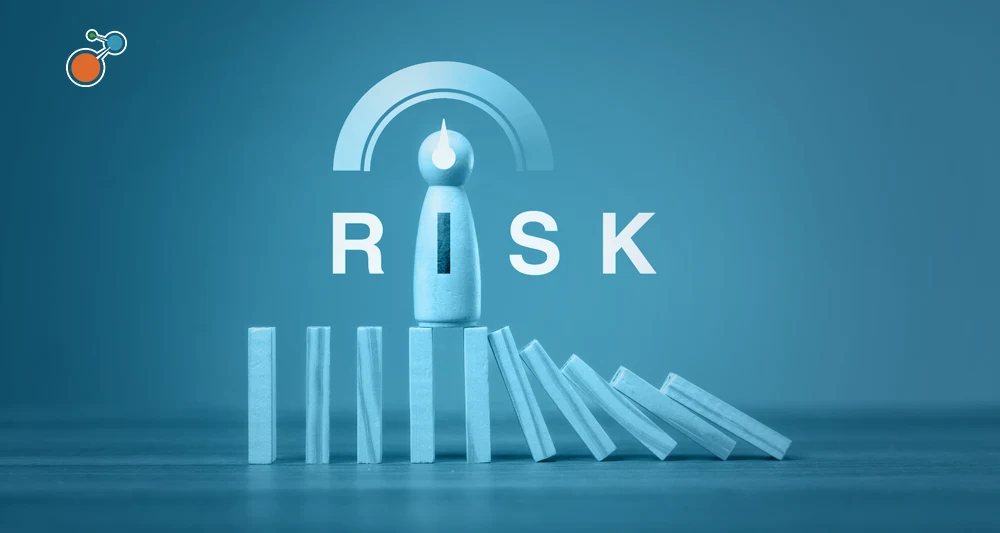
Most organizations build their risk management and resilience frameworks around a straightforward premise: identify threats, assess them, and control them. They develop a business continuity plan in case key systems or processes fail. For [...]
During a merger or acquisition, the last thing you want is a disruption to your services. Wary customers, already watching for potential impacts to leadership or service level, may see even a slight disruption [...]
The NIS2 Directive broadens the focus of NIS1 from technical cybersecurity alone to enterprise-wide resilience. It requires organizations to maintain essential services under threat, recover quickly from incidents, and protect supply chain stability. With NIS2, [...]
The Business Impact Analysis (BIA) is a cornerstone of business continuity and resilience. However, traditional, once-a-year BIAs can’t keep pace with quickly emerging threats and constantly changing operations. Static reports become outdated, leaving organizations exposed [...]
Good communication between risk and resilience strengthens risk culture and builds a more resilient business. Understanding risk is essential for resilience. And a resilient organization is better positioned to withstand risks. Yet these teams often [...]
By Dr. Philip Moulton | Strategic Risk Advisor | Chief Risk Officer ERM and business resilience have traditionally functioned in parallel – but separate – programs. One tracks strategic risk appetite and corporate exposures. [...]